common ways to hold title pdf

Understanding property ownership methods—joint tenancy‚ tenancy in common‚ and sole ownership—is crucial for estate planning and asset protection‚ as detailed in common guides․

What is Holding Title?

Holding title to a property signifies the legal right of ownership‚ establishing who possesses the rights and responsibilities associated with that real estate․ It’s not merely possessing the deed; it defines the nature of your ownership․ Different methods exist‚ each with unique implications for inheritance‚ transferability‚ and creditor protection․

Common ways to hold title include sole ownership‚ joint tenancy‚ tenancy in common‚ and tenancy by the entirety (available only to married couples in certain states)․ Each method dictates how ownership is divided and what happens upon the owner’s death or during a sale․ Understanding these distinctions is vital for effective estate planning and ensuring your wishes are legally fulfilled․ The chosen method directly impacts how the property is managed and ultimately distributed․

Importance of Understanding Title Types

Selecting the appropriate title type is paramount‚ impacting estate planning‚ property transfer‚ and potential legal complexities․ Incorrectly chosen ownership can lead to unintended consequences‚ such as probate complications or unfavorable tax implications․

For example‚ joint tenancy with right of survivorship simplifies inheritance‚ automatically transferring ownership to surviving joint tenants․ Conversely‚ tenancy in common allows for individual ownership shares that can be bequeathed through a will․ Understanding these nuances is crucial when co-owning property with family or business partners; Clear title ensures a smooth transfer process when selling or refinancing‚ avoiding potential disputes and delays․ Seeking legal counsel is advisable to determine the best option for your specific circumstances․

Common Ways to Hold Title

Common ownership structures include sole ownership‚ joint tenancy‚ tenancy in common‚ and tenancy by the entirety‚ each with distinct legal and practical implications․

Sole Ownership

Sole ownership‚ the simplest form‚ grants exclusive rights to one individual․ This means the owner has complete control over the property‚ including its use‚ sale‚ and transfer․ There are no shared interests or survivorship rights involved․ It’s straightforward to establish‚ requiring only a deed conveying title to a single person․ However‚ this ownership structure lacks the automatic transfer benefits of joint ownership․

Estate planning becomes particularly important with sole ownership․ Without a will or designated beneficiary‚ the property will be distributed according to state intestacy laws‚ potentially leading to lengthy probate processes․ Sole owners are fully responsible for all property-related expenses‚ including taxes‚ maintenance‚ and insurance․ This method offers maximum control but necessitates careful planning for future transfer or disposition․

Joint Tenancy

Joint tenancy allows two or more individuals to own property simultaneously with equal rights and‚ crucially‚ the right of survivorship․ This means if one joint tenant dies‚ their share automatically transfers to the surviving tenant(s)‚ bypassing probate․ Establishing joint tenancy requires a specific deed conveying ownership with explicit language indicating this intention․

All joint tenants must acquire their interests at the same time and possess equal ownership percentages․ This differs from tenancy in common․ It’s a popular choice for married couples or close family members seeking a simplified transfer process․ However‚ severing the joint tenancy—for example‚ through a sale by one tenant—transforms it into a tenancy in common․

Right of Survivorship Explained

The right of survivorship is the defining characteristic of joint tenancy‚ ensuring a seamless property transfer upon a co-owner’s death․ Unlike other ownership forms‚ the deceased’s share doesn’t pass through their will or to their heirs; it automatically vests in the surviving joint tenant(s)․ This avoids probate‚ saving time and expenses․

This feature simplifies estate planning for jointly held assets․ It’s particularly beneficial for spouses‚ allowing for immediate and uncomplicated transfer of ownership․ However‚ it’s vital to understand that relinquishing joint tenancy—through sale or gift—waives this right‚ converting the ownership to tenancy in common‚ subject to standard inheritance rules․

Requirements for Joint Tenancy

Establishing a valid joint tenancy requires fulfilling four key unities: time‚ title‚ interest‚ and possession․ All joint tenants must acquire their ownership interests simultaneously (time)‚ through the same deed or legal document (title)‚ holding equal shares (interest)‚ and possessing the right to use the entire property (possession)․

These requirements are strictly enforced․ If any unity is missing‚ the ownership defaults to tenancy in common․ For example‚ if two individuals purchase a property at different times‚ they cannot hold it as joint tenants․ Proper deed language explicitly stating “joint tenants with right of survivorship” is also crucial for clarity and legal validity․

Tenancy in Common

Tenancy in Common is a flexible form of property ownership allowing multiple individuals to hold shares‚ which may be unequal‚ in a single property․ Unlike joint tenancy‚ there’s no requirement of simultaneous acquisition or equal ownership percentages; each tenant in common possesses a distinct‚ undivided interest․

This ownership structure offers greater flexibility in estate planning․ A key difference is the lack of right of survivorship; upon a tenant’s death‚ their share passes to their heirs or as directed by their will‚ not automatically to the surviving tenants․ This makes it suitable for unrelated co-owners or those desiring specific inheritance plans․

Undivided Interests in Property

With Tenancy in Common‚ each owner holds an undivided interest‚ meaning no single tenant owns a specific physical portion of the property․ Instead‚ all co-owners have the right to use and possess the entire property‚ regardless of their percentage of ownership․ This differs significantly from owning defined sections․

However‚ each tenant’s rights are proportionate to their share․ For example‚ a tenant owning 25% of the property is entitled to 25% of its use and any income generated․ Despite this‚ one tenant cannot exclude another from the entire property; all have equal access rights‚ fostering shared responsibility and potential complexities in management․

Transfer of Ownership with Tenancy in Common

A key characteristic of Tenancy in Common is the freedom to transfer ownership without the consent of other co-owners․ Unlike joint tenancy‚ there’s no automatic right of survivorship; an owner can sell‚ gift‚ or bequeath their share independently‚ potentially to someone unknown to the other tenants․

This transfer doesn’t sever the tenancy in common as a whole․ The new owner simply steps into the shoes of the previous owner‚ becoming a tenant in common with the remaining original owners․ This flexibility allows for estate planning and investment strategies‚ but also introduces the possibility of diverse and potentially conflicting ownership interests within the same property․

Tenancy by the Entirety

Tenancy by the Entirety is a unique form of joint ownership exclusively available to legally married couples․ It’s characterized by a unified ownership interest – neither spouse can individually transfer or encumber the property without the consent of the other‚ creating a strong level of protection․

This form of ownership requires both spouses to be on the deed and possess equal‚ undivided interests․ It’s not simply joint tenancy with a marital requirement; it’s a distinct legal concept offering significant benefits‚ particularly regarding creditor protection‚ as detailed in property law guides․

Availability and Requirements

Tenancy by the Entirety isn’t universally recognized; it’s primarily available in approximately half of the United States․ States recognizing this ownership structure include Delaware‚ Florida‚ Illinois‚ Kentucky‚ Maryland‚ Massachusetts‚ Michigan‚ Mississippi‚ New Jersey‚ New York‚ North Carolina‚ Oklahoma‚ Pennsylvania‚ Rhode Island‚ Tennessee‚ and Virginia․

Crucially‚ to establish tenancy by the entirety‚ both individuals must be legally married at the time of acquiring title․ Furthermore‚ they must take title simultaneously‚ possessing equal ownership interests․ Any deviation from these requirements will likely result in a tenancy in common instead․

Protection from Creditors

A significant benefit of tenancy by the entirety is the robust protection it offers from individual creditors․ Generally‚ debts incurred by only one spouse cannot be satisfied by seizing jointly held property under this ownership structure․ This shields the assets from claims against a single spouse‚ providing a layer of financial security․

However‚ this protection isn’t absolute․ Federal tax liens‚ or debts incurred jointly by both spouses‚ can attach to the property․ It’s vital to understand that while strong‚ this protection isn’t foolproof and has specific limitations․

Other Methods of Holding Title

Beyond traditional ownership‚ trusts‚ community property laws‚ and entities like LLCs offer alternative ways to vest title to real property for varied benefits․

Community Property

Community property is a unique system recognized in certain states where assets acquired during a marriage are owned equally by both spouses‚ regardless of whose name is on the title․ This differs significantly from separate property‚ which is owned individually․ States recognizing this include Arizona‚ California‚ Idaho‚ Louisiana‚ Nevada‚ New Mexico‚ Texas‚ Washington‚ and Wisconsin․

In the event of divorce‚ community property is typically divided equally between the spouses․ However‚ separate property remains the individual’s asset․ Determining what constitutes community versus separate property can be complex‚ often requiring legal counsel․ This method of ownership impacts estate planning and inheritance rights within these jurisdictions‚ necessitating careful consideration․

States Recognizing Community Property

Currently‚ only nine states within the United States operate under the community property system: Arizona‚ California‚ Idaho‚ Louisiana‚ Nevada‚ New Mexico‚ Texas‚ Washington‚ and Wisconsin․ In these states‚ any assets or debts acquired during a marriage are generally considered owned equally by both spouses‚ forming the community estate․

It’s crucial to note that property owned before the marriage‚ or received as a gift or inheritance during the marriage‚ is typically considered separate property․ Understanding which state’s laws apply is vital‚ as it significantly impacts property division during divorce or the inheritance process upon a spouse’s death․

Division of Property in Divorce

In community property states‚ divorce proceedings generally involve an equal division of the community estate—assets and debts acquired during the marriage․ This doesn’t necessarily mean a 50/50 split of each individual asset‚ but rather an equalization of value․

Separate property remains the sole possession of the owning spouse․ However‚ commingling of separate and community property can complicate matters‚ potentially converting separate assets into community property․ Equitable distribution‚ rather than equal division‚ is used in non-community property states‚ aiming for a fair outcome considering various factors․

Trust Ownership

Holding title within a trust offers significant benefits‚ bypassing probate and providing privacy․ The trustee manages the property according to the trust document’s terms for the beneficiary’s benefit․

Revocable trusts allow the grantor to maintain control and amend the trust‚ while irrevocable trusts offer greater asset protection but limit flexibility․ This method is particularly useful for estate planning‚ managing assets for minors‚ or individuals desiring confidentiality․ Title transfer occurs by deed conveying ownership to the trust‚ not directly to individuals․

Revocable vs․ Irrevocable Trusts

Revocable trusts provide flexibility; grantors retain control‚ can modify or terminate the trust‚ and receive benefits during their lifetime․ However‚ assets within a revocable trust generally remain subject to creditors and estate taxes․

Irrevocable trusts‚ conversely‚ offer stronger asset protection and potential tax advantages‚ but grantors relinquish control․ Amendments are typically prohibited‚ and the trust operates independently․ Choosing between the two depends on individual circumstances‚ estate planning goals‚ and the desire for control versus protection․

Benefits of Holding Title in a Trust

Holding property within a trust offers several advantages‚ primarily avoiding probate—a potentially lengthy and costly court process—upon the owner’s death․ Trusts also provide privacy‚ as trust documents aren’t typically public record like wills․

Furthermore‚ trusts can facilitate estate planning‚ manage assets for beneficiaries (especially minors or those with special needs)‚ and potentially minimize estate taxes․ A trust ensures a smooth transfer of property according to the grantor’s wishes‚ offering control and flexibility beyond a simple deed transfer․

Corporate/Partnership/LLC Ownership

Real property title can be vested in legally formed entities like corporations‚ partnerships‚ or Limited Liability Companies (LLCs)․ This structure offers liability protection‚ shielding personal assets from business debts and lawsuits related to the property․

Entity ownership can also provide tax advantages‚ depending on the entity type and applicable regulations․ However‚ it introduces complexities regarding taxation and administrative requirements․ Careful consideration of these factors‚ alongside legal and accounting advice‚ is essential when choosing this ownership method․

Advantages of Entity Ownership

Holding property title within an entity—corporation‚ partnership‚ or LLC—primarily offers limited liability‚ protecting personal assets from property-related debts or legal claims․ This separation is a significant benefit for investors and business owners․

Furthermore‚ entity ownership can facilitate easier transfer of ownership without needing a new deed for each individual․ It also potentially streamlines estate planning and can offer tax benefits‚ though these vary based on the entity type and jurisdiction․ Careful planning with legal counsel is crucial to maximize these advantages․

Tax Implications

Tax consequences vary significantly depending on how title is held․ Corporate or LLC ownership can offer potential deductions and pass-through taxation‚ but also introduces complexities․ Property taxes are generally assessed based on fair market value‚ regardless of ownership structure․

Estate taxes may apply upon transfer of ownership‚ and capital gains taxes are triggered upon sale․ Understanding these implications requires professional tax advice‚ as rules differ by state and individual circumstances․ Proper structuring can minimize tax liabilities and optimize overall financial outcomes․

The Deed and Title Transfer

A signed deed‚ officially recorded with the local courthouse or assessor’s office‚ establishes legal ownership and transfers title to the property․

Recording the Deed

Recording a deed with the appropriate local government office – typically the county recorder or assessor – is a vital step in transferring property ownership․ This public record establishes constructive notice of the new owner’s claim to the property‚ protecting their rights against future disputes or claims․ The recording process involves submitting the original‚ signed deed‚ along with any required fees‚ to the designated office․

This creates a permanent‚ searchable record of the transaction․ Failing to record a deed doesn’t invalidate the transfer‚ but it can create significant legal complications and potentially jeopardize the owner’s title․ A recorded deed provides clear evidence of ownership‚ which is essential for refinancing‚ selling‚ or passing the property on through inheritance․

Ensuring Clear Title

Before finalizing any property transaction‚ verifying “clear title” is paramount․ This means confirming the seller has the legal right to transfer ownership‚ free from any liens‚ encumbrances‚ or conflicting claims․ A title search‚ typically conducted by a title company or real estate attorney‚ examines public records to uncover any potential issues․

Title insurance provides protection against financial loss if defects in the title are discovered after the purchase․ Common issues include unpaid taxes‚ outstanding mortgages‚ or undisclosed heirs․ Addressing these issues before closing prevents costly legal battles and ensures a smooth transfer of ownership‚ safeguarding the buyer’s investment․

Resources for Further Information

Local courthouses and real estate attorneys offer valuable guidance on property titles; exploring these resources ensures informed decisions regarding ownership structures․

Local Courthouse and Assessor’s Office

Your local courthouse is a primary resource for recorded deeds and property records‚ offering insight into ownership history and existing title types․ Accessing these public records allows verification of current ownership and any associated liens or encumbrances․

The assessor’s office provides information regarding property taxes and assessed values‚ which can be helpful in understanding the financial implications of different ownership structures․ Both offices can clarify how title is currently held for a specific property․

Furthermore‚ these locations often have staff familiar with local real estate practices and can direct you to relevant forms or resources for transferring or modifying property titles․

Real Estate Attorneys

Consulting a real estate attorney is highly recommended when navigating complex title issues or choosing the most suitable ownership structure․ They provide expert guidance on the legal ramifications of each option—sole ownership‚ joint tenancy‚ tenancy in common‚ or tenancy by the entirety—tailored to your specific circumstances․

An attorney can draft or review deeds‚ ensuring they accurately reflect your intentions and comply with state laws․

They also assist in resolving title defects‚ handling disputes‚ and providing advice on estate planning strategies related to property ownership‚ offering peace of mind and legal protection․


Open post

800m training schedule pdf

Understanding the nuances of 800m training requires a focused approach, often detailed in comprehensive training schedules like those found in PDF formats.

These plans, spanning 8-10 weeks, prioritize speed and strength, differing from purely aerobic programs.

Effective 800m preparation involves tailoring workouts to individual athlete strengths and weaknesses, as highlighted in various online resources.

Understanding the 800m Race

The 800m is a uniquely demanding race, blending speed and endurance, requiring a strategic approach detailed in 800m training schedule PDF resources.

Unlike shorter sprints, it’s not purely about top-end velocity; sustained speed and tactical pacing are crucial.

These schedules emphasize developing both anaerobic and aerobic systems, acknowledging the race’s glycolytic demands.

Successful 800m runners must navigate two laps with precise pacing, often involving a fast first 200m, controlled middle 400m, and a powerful final push.

Understanding this dynamic is key to effective training, as outlined in available plans.

Key Physiological Demands

Effective 800m training, as detailed in a typical 800m training schedule PDF, must address specific physiological requirements.

The race heavily relies on the ATP-PC and glycolytic energy systems, demanding high-intensity interval work.

Athletes need robust anaerobic capacity alongside a solid aerobic base for recovery between intense efforts.

Lactate tolerance is paramount, requiring workouts that push athletes to operate comfortably at high lactate levels.

Strength and power in the legs are also vital, contributing to both speed and endurance, as emphasized in comprehensive training plans.

Training Principles for the 800m

Successful 800m training, often outlined in a schedule PDF, centers on specificity, progressive overload, and periodization to maximize performance gains.

Specificity of Training

Specificity is paramount in 800m training, meaning workouts should closely mimic the demands of the race itself. A well-designed training schedule PDF will reflect this principle, prioritizing speed development and glycolytic capacity.

Unlike distance running, the 800m heavily relies on the ATP-PC and glycolytic energy systems. Therefore, training must “train up to” the 800m distance, incorporating intervals and tempo runs at race pace or faster.

Generic aerobic work, while beneficial for base fitness, isn’t sufficient. The PDF plan should include drills and workouts directly targeting the speed, strength, and endurance needed to excel in this demanding event.

Progressive Overload

Progressive overload is a cornerstone of any effective 800m training schedule PDF. This principle dictates gradually increasing the training stimulus over time to drive adaptation.

Initially, this might involve increasing volume – the total amount of work performed. As the athlete adapts, the focus shifts to increasing intensity, such as running faster intervals or lifting heavier weights.

A well-structured PDF plan won’t simply add more work each week; it will strategically manipulate volume and intensity to prevent plateaus and minimize the risk of injury. Careful monitoring and adjustments are crucial for optimal progress.

Periodization in 800m Training

Periodization, detailed within a comprehensive 800m training schedule PDF, is the systematic planning of athletic training. It divides the training year into specific phases, each with a unique focus.

Common phases include base building, strength & speed development, race-specific work, and a taper phase before competition.

A PDF plan will outline the duration of each phase and the types of workouts emphasized. This approach prevents overtraining, optimizes performance at key races, and ensures the athlete peaks at the right time.

Cycles, like four-week blocks, are often employed.

10-Week 800m Training Plan Overview

Detailed 10-week 800m training schedule PDFs commonly structure training into four phases: base building, strength/speed, race-specificity, and taper/competition.

Phase 1: Base Building (Weeks 1-2)

The initial phase, outlined in many 800m training schedule PDFs, focuses on establishing an aerobic foundation. Weeks 1-2 prioritize consistent, moderate-intensity running to build endurance without excessive strain.

This typically involves shorter runs at conversational pace, alongside introductory core work and light strength training.

The goal isn’t speed, but rather increasing running volume gradually to prepare the body for more demanding workouts later in the plan.

Emphasis is placed on proper form and injury prevention during this foundational period, setting the stage for subsequent phases.

Phase 2: Strength & Speed Development (Weeks 3-5)

As detailed in 800m training schedule PDFs, this phase shifts towards building both strength and speed. Weeks 3-5 introduce interval training, starting with shorter repetitions and gradually increasing distance.

Strength training becomes more focused, incorporating exercises targeting the core and lower body to enhance power.

Tempo runs are also introduced, improving lactate threshold.

The aim is to develop the athlete’s ability to sustain faster paces for longer durations, preparing them for the specific demands of the 800m race, while carefully monitoring fatigue.

Phase 3: Race Specificity (Weeks 6-8)

According to 800m training schedule PDFs, this phase intensifies race-specific workouts. Training now closely mimics the demands of a full 800m race, including pacing and strategic elements.

Intervals become longer and faster, with reduced recovery times, simulating race conditions.

Workouts may include repetitions at goal race pace, and even full 800m simulations.

Strength training maintains intensity, but volume may decrease to prioritize recovery. The focus shifts to refining technique and building confidence for competition, preparing the athlete mentally and physically.

Phase 4: Taper & Competition (Weeks 9-10)

As detailed in many 800m training schedule PDFs, this final phase prioritizes recovery and peak performance. Training volume significantly decreases – a ‘taper’ – to allow for full glycogen replenishment and muscle repair.

Intensity is maintained with shorter, sharper workouts, preserving speed without inducing fatigue.

Focus shifts to mental preparation, visualization, and race strategy refinement.

Competition begins, with races serving as opportunities to implement the training. Post-race recovery becomes crucial, and adjustments to the plan are made based on performance and feedback.

Sample Weekly Workout Structure

Typical 800m training schedule PDFs outline a structure including speed work, strength training, recovery runs, tempo/interval sessions, and active recovery days.

This balanced approach optimizes performance.

Monday: Speed Work

Monday’s focus, as detailed in many 800m training schedule PDFs, centers around maximizing speed. Workouts commonly begin with a thorough warm-up – jogging, sprint drills, and dynamic flexibility exercises. A key component involves short, fast repetitions, such as 300m or 400m intervals at near-maximal effort, with ample recovery periods.

These repetitions aim to improve anaerobic capacity and running mechanics. Some plans incorporate “in-and-out” drills, like 150m repeats, to enhance acceleration. The goal isn’t endurance, but pure, unadulterated speed development, crucial for the 800m’s demanding requirements.

Tuesday: Strength Training

Tuesday is typically dedicated to strength training, a cornerstone of successful 800m training schedules, often outlined in PDF workout plans. These sessions prioritize building power and preventing injuries. Lower body exercises, like squats, lunges, and deadlifts, are essential for developing leg strength and explosiveness.

Core work, including planks and Russian twists, enhances stability and running form. Many programs also incorporate plyometrics, such as box jumps, to improve reactive strength. The emphasis is on compound movements that engage multiple muscle groups, contributing to overall athletic performance.

Wednesday: Recovery Run

Wednesday within a typical 800m training schedule, frequently detailed in PDF documents, is reserved for a recovery run. This isn’t about pushing limits; it’s about promoting blood flow and aiding muscle repair after more intense sessions. These runs are performed at an easy, conversational pace, significantly slower than race tempo.

The distance is usually short – 20 to 30 minutes – focusing on low impact and active recovery. Some plans suggest cross-training activities like swimming or cycling as alternatives. The goal is to flush out metabolic waste and prepare the body for subsequent hard workouts, preventing overtraining.

Thursday: Tempo/Interval Training

Thursday, as outlined in many 800m training schedules available as PDF guides, typically features tempo or interval work. These sessions are crucial for developing both speed endurance and lactate tolerance. Tempo runs involve sustained effort at a comfortably hard pace – around 85-90% of maximum – for 20-40 minutes.

Interval training, conversely, consists of shorter, high-intensity bursts with recovery periods. Examples include 6-8 x 400m at race pace with equal recovery; These workouts build the capacity to handle the demands of the 800m race, improving both aerobic and anaerobic systems.

Friday: Active Recovery/Cross-Training

Friday within a typical 800m training schedule – often detailed in PDF workout plans – is dedicated to active recovery or cross-training. This day prioritizes minimizing muscle soreness and promoting recovery without complete rest. Active recovery might involve a light, easy jog of 20-30 minutes at a conversational pace.

Alternatively, cross-training activities like swimming, cycling, or elliptical work can provide a low-impact cardiovascular benefit. These options reduce stress on running muscles while maintaining fitness. The goal is to flush out metabolic waste and prepare the body for the weekend’s workload.

Specific Workouts for Each Phase

PDF 800m training schedules detail phase-specific workouts: speed work, tempo runs, and interval training, progressively building towards race-specific demands and peak performance.

Speed Work Examples

PDF 800m training schedules commonly incorporate speed drills like “In-n-Outs” – 3 x 150m repetitions with full recovery, designed to enhance acceleration and top-end speed.

Another example includes short, fast repetitions of 200m, also with ample recovery, focusing on maintaining speed endurance.

These workouts, often performed early in the training cycle, aim to develop the athlete’s raw speed before integrating it with endurance components.

Dynamic flexibility and sprint drills are crucial warm-up components before these high-intensity sessions, preparing the muscles for explosive movements and minimizing injury risk;

Tempo Run Variations

800m training schedules in PDF format often feature tempo runs as a key component, building lactate threshold and sustained speed.

A common variation is an 800m tempo run, performed at a comfortably hard pace, bridging the gap between speed work and interval training.

These runs improve the body’s ability to clear lactate, delaying fatigue during the latter stages of the race.

Progressive tempo runs, gradually increasing pace throughout the duration, are also utilized. Proper warm-up and cool-down are essential for maximizing benefits and preventing injury.

Interval Training Protocols

800m training schedules, frequently available as PDF documents, heavily emphasize interval training to enhance speed and endurance.

A typical protocol involves repetitions of 400m at near-race pace, with recovery periods of equal or slightly longer duration.

Variations include 200m, 300m, or 600m repeats, adjusting distance and recovery to target specific energy systems.

These workouts improve VO2 max and lactate tolerance, crucial for 800m performance. Careful monitoring of pace and recovery is vital for optimal results and injury prevention.

Strength Training for 800m Runners

PDF training schedules for the 800m integrate strength work, focusing on core and lower body exercises to build power and prevent injuries.

Core Strength Exercises

Core stability is paramount for 800m runners, and training schedules, often available as PDF documents, emphasize exercises targeting these muscles.

Planks, both standard and with variations, are frequently included to build isometric strength.

Russian twists, utilizing medicine balls or bodyweight, enhance rotational power crucial for maintaining form.

Leg raises and bicycle crunches improve abdominal strength, contributing to efficient running mechanics.

These exercises, integrated into a weekly routine, support a strong torso, enabling powerful strides and minimizing energy leaks during the race.

Consistent core work, as outlined in detailed training plans, is vital for performance.

Lower Body Strength Exercises

Lower body strength is fundamental for 800m runners, and comprehensive training schedules – often found as PDF guides – prioritize targeted exercises.

Squats, including variations like front squats and Bulgarian split squats, build overall leg power.

Lunges, both forward and reverse, enhance single-leg strength and stability.

Hamstring curls and glute bridges isolate key muscle groups for improved propulsion.

Calf raises strengthen the ankles, crucial for efficient ground contact.

Plyometrics, such as box jumps, develop explosive power, vital for the 800m’s demands.

These exercises, detailed in training plans, contribute to faster times.

Pre-Race and Race Day Preparation

PDF training schedules emphasize dynamic warm-ups, including drills and mobility work, alongside specific routines like 150m “In-n-Outs” for optimal race execution.

Dynamic Warm-up Routine

PDF 800m training schedules consistently highlight the critical role of a thorough dynamic warm-up before racing. This preparation isn’t merely about increasing muscle temperature; it’s about activating the nervous system and preparing the body for the specific demands of the event.

Typical routines, as detailed in available resources, begin with a light jog, progressing into sprint drills.

These drills often include high knees, butt kicks, and leg swings, followed by dynamic flexibility exercises.

Hurdle mobility drills are also frequently incorporated to enhance coordination and range of motion, ensuring athletes are primed for peak performance.

Race Strategy and Pacing

800m training schedules in PDF format emphasize that physical conditioning is only half the battle; a well-defined race strategy is equally crucial. Successful pacing requires understanding your strengths and weaknesses, and adapting to the competition.

Many plans advocate for a controlled first lap, conserving energy for a strong finish.

However, the ideal strategy varies based on individual capabilities and race dynamics.

Crucially, athletes must practice executing their race plan during training, avoiding deviations during critical phases, as highlighted in performance analyses.

Mental Preparation for the 800m

PDF training schedules often overlook the mental aspect; visualization and anxiety management are vital. A strong mindset ensures race plan execution.

Visualization Techniques

Effective mental rehearsal, often absent from detailed 800m training schedule PDF documents, is crucial for success. Athletes should vividly imagine executing their race plan flawlessly, from the starting gun to the finish line.

This includes picturing optimal pacing, strong form, and overcoming potential challenges like fatigue or competitors.

Regular visualization builds confidence and reinforces neuromuscular pathways, essentially “training” the brain alongside the body.

Focus on positive outcomes and a sense of control, mentally preparing for various race scenarios.

Consistent practice enhances performance and reduces pre-race anxiety.

Managing Pre-Race Anxiety

While comprehensive 800m training schedule PDF guides focus on physical preparation, addressing pre-race anxiety is vital. Techniques include deep breathing exercises to calm the nervous system and refocus attention.

Positive self-talk, replacing negative thoughts with affirmations, builds confidence.

Establishing a consistent pre-race routine provides a sense of control and predictability.

Distraction techniques, like listening to music or engaging in light conversation, can divert focus from anxious feelings.

Remembering thorough preparation, as outlined in the training plan, reinforces a feeling of readiness.

Recovery and Injury Prevention

PDF 800m schedules emphasize cool-downs and proper nutrition for recovery. Prioritizing these elements minimizes injury risk and maximizes training adaptations.

Importance of Cool-Downs

Cool-downs are a critical, often overlooked, component detailed within 800m training schedules, frequently available as PDF documents. These aren’t simply about slowing down; they actively facilitate recovery by gradually reducing heart rate and clearing metabolic waste products like lactic acid.

Effective cool-downs, as outlined in training resources, often include light jogging followed by static stretching, targeting major muscle groups used during intense workouts and races.

Neglecting cool-downs can lead to muscle soreness, stiffness, and an increased risk of injury, hindering consistent progress. A proper cool-down prepares the body for subsequent training sessions.

Nutrition for 800m Runners

Nutrition plays a pivotal role, often detailed within comprehensive 800m training schedules, commonly found as PDF guides. These plans emphasize fueling the high energy demands of speed and endurance work.

Carbohydrates are crucial for glycogen replenishment, supporting intense interval training and race performance. Protein aids muscle repair and recovery, while healthy fats contribute to overall energy balance.

Hydration is paramount, especially before, during, and after workouts. A well-planned diet, complementing the training schedule, optimizes performance and minimizes fatigue, ensuring peak physical condition.

Open post

epleys manöver pdf

Understanding the Epley Maneuver for Vertigo

Epley maneuver PDF resources offer detailed guides for patients, detailing steps to manage BPPV at home, often including illustrations for clarity and understanding.

Reliable PDFs emphasize proper technique and post-procedure restrictions, ensuring safe and effective symptom relief from positional vertigo.

What is Benign Paroxysmal Positional Vertigo (BPPV)?

BPPV is a disorder of the inner ear causing brief episodes of vertigo triggered by specific head movements. These movements shift calcium carbonate crystals, known as canaliths, within the semicircular canals.

PDF resources on the Epley maneuver often begin by explaining BPPV’s underlying cause – dislodged otoliths. This disruption leads to incorrect nerve signals to the brain, resulting in a spinning sensation.

Understanding that BPPV isn’t a serious condition, but can be incredibly disruptive, is key. PDFs highlight that the Epley maneuver aims to reposition these crystals, alleviating the vertigo symptoms. The condition is characterized by short-lived, intense dizziness with changes in head position.

How the Epley Maneuver Works

The Epley maneuver functions by strategically repositioning dislodged calcium crystals (canaliths) within the inner ear’s semicircular canals. PDF guides detail a series of head movements designed to guide these crystals out of the canal where they cause dizziness.

These guides illustrate how specific positions – lying down, head turns, and quick rolls – facilitate the canaliths’ journey back to the utricle, the correct location.

PDFs emphasize that the maneuver isn’t about “fixing” the ear, but rather about relocating the crystals to stop the false signals causing vertigo. The process aims to restore normal balance function by allowing the otoliths to settle appropriately.

Preparing for the Epley Maneuver

Epley maneuver PDFs recommend performing the Dix-Hallpike test first to correctly identify the affected ear and determine the appropriate maneuver variation.

Identifying the Affected Ear

Epley maneuver PDF guides consistently stress the critical importance of accurately identifying which ear is causing the Benign Paroxysmal Positional Vertigo (BPPV) before attempting the procedure. This is typically achieved through the Dix-Hallpike maneuver, a diagnostic test detailed within these resources.

PDFs explain that observing the direction of torsional nystagmus – the involuntary eye movement – during the Dix-Hallpike test reveals the affected side. The ear causing the vertigo is the one where the nystagmus beats towards that side. Correctly pinpointing the affected ear is paramount for the Epley maneuver’s success, as performing it on the wrong side will be ineffective and potentially worsen symptoms.

These guides often include visual aids demonstrating how to interpret nystagmus and determine the appropriate side for treatment.

Dix-Hallpike Maneuver: Diagnostic Tool

Epley maneuver PDF resources universally highlight the Dix-Hallpike maneuver as the cornerstone of BPPV diagnosis. These guides detail the procedure: quickly turning the head 45 degrees towards the suspected affected side while swiftly lowering to a supine position with the head hanging off the edge of the bed.

PDFs emphasize observing for nystagmus – involuntary eye movements – during and after the maneuver. The direction of nystagmus indicates which inner ear is affected. A positive test, exhibiting nystagmus, confirms BPPV.

These resources often include diagrams illustrating the correct positioning and explain how to differentiate between different types of nystagmus, crucial for accurate diagnosis and selecting the appropriate Epley maneuver variation.

Step-by-Step Guide to Performing the Epley Maneuver

Epley maneuver PDFs provide illustrated, sequential instructions for each phase: initial positioning, head turn, quick roll, and sitting up, ensuring correct execution.

Phase 1: Initial Positioning

Epley maneuver PDFs consistently detail the first phase as requiring the patient to sit upright on a treatment table or bed.

Then, quickly lie back, ensuring the head is turned 45 degrees towards the side experiencing vertigo.

The PDF guides emphasize maintaining this head position throughout the initial descent to a fully reclined position.

It’s crucial, as illustrated in many PDFs, to keep the affected ear facing downwards.

This initial positioning is vital for allowing canaliths to migrate within the semicircular canal, initiating the repositioning process.

PDFs often include diagrams to visually demonstrate the correct head and body alignment for optimal results.

Phase 2: Head Turn

Epley maneuver PDFs clearly instruct that, while remaining reclined with the head at a 45-degree angle, a 180-degree turn of the head is performed.

This means rotating the head to the opposite side, keeping the chin tucked slightly towards the chest, as depicted in many PDF illustrations.

PDF guides stress maintaining the head turn throughout this phase, typically held for approximately 30 seconds.

This maneuver facilitates the movement of canaliths within the posterior semicircular canal.

The PDFs often highlight the importance of slow, controlled movements during the head turn to avoid inducing further dizziness or discomfort.

Observing for nystagmus during this phase, as detailed in some PDFs, aids in confirming the procedure’s effectiveness.

Phase 3: Quick Roll

Epley maneuver PDFs emphasize a swift, fluid motion for the next step: rolling onto the side, maintaining the head’s rotated position.

This roll should be executed quickly, bringing the patient into a side-lying position while keeping the head turned at the 45-degree angle.

PDF guides often illustrate this phase, stressing the importance of speed to encourage canalith displacement.

The side-lying position is held for another 30 seconds, as detailed in many resources.

PDFs note that some patients may experience vertigo during this roll, but it should subside quickly.

Maintaining the head position throughout the roll is crucial, as highlighted in instructional PDFs.

Phase 4: Sitting Up

Epley maneuver PDFs clearly outline the final phase: slowly and carefully sitting up, pausing briefly at each stage.

Patients are instructed to remain seated for at least 30 seconds after fully upright, allowing the canaliths to settle.

PDF guides often warn against rushing this step, as it can potentially re-trigger vertigo symptoms.

Many resources emphasize the importance of monitoring for any recurrence of dizziness post-maneuver.

PDFs frequently include post-procedure instructions, detailing restrictions and expected symptoms.

The slow ascent minimizes the chance of dislodging the repositioned canaliths, as detailed in instructional PDFs.

Post-Maneuver Instructions

Epley maneuver PDFs stress avoiding head movements and lying flat for 24 hours, alongside monitoring for lingering dizziness or symptom recurrence.

Restrictions After the Procedure

Epley maneuver PDF guides consistently emphasize specific post-procedure restrictions to maximize success and minimize discomfort. Patients are typically advised to avoid lying flat for at least 24-48 hours, as this can allow canaliths to reposition and trigger vertigo again.

Avoid bending over, quick head movements, and strenuous activities during this period. Sleeping with the treated ear facing upwards is often recommended. Some PDFs suggest avoiding pillows initially to maintain the head position.

These restrictions are crucial for allowing the repositioned otoliths to settle correctly within the inner ear, preventing a return of the BPPV symptoms. Following these guidelines diligently significantly improves the long-term effectiveness of the maneuver.

Expected Symptoms and Duration

Epley maneuver PDF resources prepare patients for potential post-maneuver symptoms. A temporary increase in vertigo is common immediately after the procedure, as the canaliths are disturbed; Nausea may also occur, but it’s usually mild and short-lived.

PDF guides indicate that these symptoms typically subside within a few minutes to a few hours. Some individuals experience a sensation of fullness or pressure in the ear.

The overall duration of symptom relief varies, but many experience significant improvement within 24 hours. If symptoms persist or worsen beyond this timeframe, seeking professional evaluation is advised, as outlined in many PDF guides.

Home vs. Clinical Epley Maneuver

Epley maneuver PDFs detail both home and clinical approaches; clinical versions, performed by professionals, often yield faster results with precise technique and diagnosis.

When to Seek Professional Help

Epley maneuver PDF guides consistently advise seeking professional medical attention if symptoms persist or worsen despite repeated home attempts.

If dizziness doesn’t subside within 24-48 hours post-procedure, or if new neurological symptoms develop – such as hearing loss, double vision, or difficulty speaking – immediate evaluation is crucial.

A healthcare provider can accurately diagnose the specific type of BPPV, rule out other potential causes of vertigo, and ensure the Epley maneuver is performed correctly.

They can also assess for rare complications and provide personalized guidance for long-term management, potentially recommending further testing or alternative treatments. Relying solely on PDF instructions without professional oversight can be risky.

Understanding Torsional Nystagmus

Epley maneuver PDFs highlight torsional nystagmus as a key diagnostic indicator, observing eye movements during the Dix-Hallpike test to confirm BPPV.

The Role of Nystagmus in Diagnosis

Epley maneuver PDF guides consistently emphasize the crucial role of nystagmus observation in accurately diagnosing Benign Paroxysmal Positional Vertigo (BPPV). These resources detail how specific nystagmus patterns, particularly torsional nystagmus, directly correlate with the affected semicircular canal.

PDFs explain that observing the direction and characteristics of nystagmus during the Dix-Hallpike maneuver helps pinpoint which ear and canal are involved. This precise identification is vital for performing the correct Epley maneuver variation.

The guides illustrate how the presence and changes in nystagmus throughout the maneuver indicate whether canaliths are successfully being repositioned, providing real-time feedback on treatment effectiveness. Accurate nystagmus assessment, as detailed in these PDFs, is paramount for successful BPPV management.

Observing Nystagmus During the Maneuver

Epley maneuver PDF resources provide detailed instructions on precisely observing nystagmus throughout each phase of the procedure. They highlight the importance of focusing on the patient’s eyes, noting the direction, intensity, and duration of any involuntary eye movements.

PDF guides explain that as the Epley maneuver progresses, the nystagmus should gradually diminish in intensity. This reduction signifies that the canaliths are moving out of the semicircular canal and back towards the utricle.

These resources emphasize holding each position for at least 30 seconds, allowing sufficient time for nystagmus to manifest and be accurately assessed. Observing the changing nystagmus pattern confirms the maneuver’s effectiveness and guides further treatment decisions.

The Role of Otoliths and Canaliths

Epley maneuver PDFs explain how dislodged canaliths within the semicircular canals cause vertigo; the maneuver aims to reposition these crystals effectively.

How Canaliths Cause Vertigo

Epley maneuver PDF guides detail how tiny calcium carbonate crystals, called canaliths, become dislodged from the utricle in the inner ear. These canaliths then migrate into the semicircular canals – specifically, the posterior canal is most commonly affected.

When the head changes position, these freely floating canaliths stimulate the nerve endings within the canals, sending false signals to the brain about head movement. This mismatch between perceived and actual movement results in the sensation of vertigo, dizziness, and imbalance.

PDF resources often illustrate this process, showing how the canaliths’ movement triggers nystagmus – involuntary eye movements – further contributing to the disorienting symptoms. Understanding this mechanism is crucial for grasping the Epley maneuver’s purpose.

Repositioning the Canaliths

Epley maneuver PDF guides explain that the core principle of the procedure is to reposition these dislodged canaliths. The series of head movements systematically guides the canaliths out of the semicircular canal and back into the utricle, where they belong.

PDFs often emphasize the importance of precise positioning and timing during each phase of the maneuver. The goal is to use gravity to encourage the canaliths to travel through the canals and ultimately return to the utricle.

Successful repositioning stops the false signals, resolving the vertigo. Detailed diagrams within the PDFs illustrate the canalith’s pathway during the Epley maneuver, aiding comprehension.

Epley Maneuver PDF Resources

Numerous reliable PDF guides are available online, offering step-by-step instructions and visual aids for performing the Epley maneuver at home effectively.

Finding Reliable PDF Guides

Finding trustworthy PDF resources for the Epley maneuver requires careful consideration. Look for guides originating from reputable medical institutions, such as hospitals, university health centers, or established physiotherapy clinics. These sources generally provide accurate and evidence-based information.

Prioritize PDFs created or reviewed by qualified healthcare professionals – specifically, doctors or physical therapists specializing in vestibular rehabilitation. Avoid guides from unknown or unverified websites. Check for publication dates; more recent guides reflect current best practices.

A good PDF will clearly outline each step of the maneuver, often including diagrams or illustrations. It should also detail potential complications and when to seek professional medical attention. Always cross-reference information with your doctor’s instructions.

What to Look for in a PDF Guide

A comprehensive Epley maneuver PDF guide should detail each phase – initial positioning, head turn, quick roll, and sitting up – with clear, concise instructions. Look for visual aids like diagrams illustrating proper body alignment during each step. The guide must emphasize holding each position for at least 30 seconds, as indicated by experts.

Crucially, the PDF should address post-maneuver restrictions, such as avoiding lying flat or turning the head quickly for a specified period. It should also list expected symptoms and their duration, preparing patients for potential temporary discomfort.

Finally, a reliable guide will clearly state when to seek professional help, emphasizing that the maneuver isn’t a substitute for medical evaluation.

Potential Complications and Side Effects

Epley maneuver PDFs note rare complications, but emphasize managing discomfort is key; temporary nausea or dizziness are common post-procedure experiences.

Rare Complications

Epley maneuver PDF guides typically address that serious complications are infrequent, but awareness is crucial. While generally safe, some individuals may experience temporary hearing loss or tinnitus following the procedure, though these symptoms usually resolve quickly.

Extremely rarely, the maneuver could potentially dislodge a larger crystal, leading to vertigo in a different canal, requiring further treatment. PDFs often caution against performing the maneuver if there’s a concern about central vertigo or other underlying neurological conditions.

It’s vital to consult a healthcare professional if any unusual or persistent symptoms arise after attempting the Epley maneuver, as detailed in comprehensive PDF resources.

Managing Discomfort

Epley maneuver PDF resources often acknowledge that temporary dizziness or nausea is common during and immediately after the procedure. Patients are advised to remain calm and focus on a fixed point to minimize discomfort.

Over-the-counter motion sickness medication can be considered before the maneuver if nausea is a significant concern, as suggested in some guides. Following the maneuver, resting in a quiet environment can help alleviate lingering dizziness.

PDFs emphasize that any significant or prolonged discomfort should be reported to a healthcare provider, ensuring appropriate evaluation and management of any unexpected side effects.

Long-Term Success Rates

Epley maneuver PDFs indicate high success rates, often exceeding 90%, though repeat maneuvers may be necessary for persistent symptoms, as detailed in guides.

Factors Influencing Success

Epley maneuver PDF resources highlight several factors impacting long-term success. Accurate diagnosis via the Dix-Hallpike maneuver, as often illustrated in these guides, is crucial for identifying the affected ear and appropriate treatment direction.

The type of BPPV – whether affecting the posterior, anterior, or horizontal canal – influences outcomes, with PDFs detailing variations in technique for each. Patient adherence to post-maneuver restrictions, clearly outlined in downloadable guides, significantly impacts crystal repositioning.

Individual anatomical variations and the presence of other vestibular disorders can also play a role. Some PDFs emphasize the importance of a skilled practitioner performing the maneuver correctly, ensuring optimal results and minimizing potential complications.

Repeat Maneuvers if Necessary

Epley maneuver PDF guides frequently address the possibility of needing repeat treatments. If positional vertigo persists beyond 24-48 hours after the initial procedure, as detailed in many downloadable resources, repeating the maneuver may be necessary.

PDFs often advise performing the maneuver daily until symptom-free for a full 24 hours, emphasizing consistent application of the technique. Some guides suggest modified maneuvers or alternative approaches if initial attempts fail.

It’s crucial, as highlighted in reliable PDF documents, to consult a healthcare professional if symptoms don’t improve after several attempts, as it may indicate a different underlying cause or the need for further evaluation.

Open post

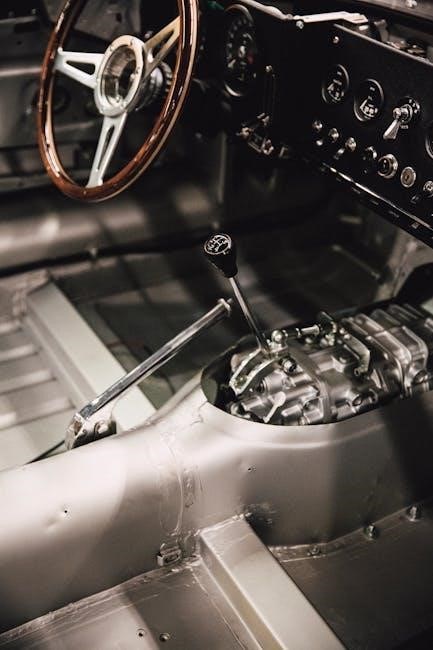
manual transmission issues

Manual transmissions, while known for reliability, aren’t immune to problems; understanding potential failures is crucial for vehicle longevity and safe operation.

These systems rely on precise mechanical interaction, making them susceptible to wear and tear over time, leading to various operational difficulties.

Common issues range from fluid leaks and slipping clutches to internal damage, impacting shifting smoothness and overall performance, requiring prompt attention.

Overview of Manual Transmissions

Manual transmissions represent a traditional method of transferring engine power to the wheels, relying on a driver-operated clutch and a series of gears to control speed and torque. Unlike automatic transmissions, they offer direct mechanical engagement, providing drivers with greater control and often, improved fuel efficiency. The core components include the gearbox housing, gears of varying sizes, shafts, synchronizers, bearings, and the clutch assembly.

The process begins with the engine’s rotational force entering the transmission. The driver selects the appropriate gear using the shift lever, which engages specific gear sets within the transmission. Synchronizers play a vital role in smoothly matching the speeds of the gears before engagement, preventing grinding. The clutch disengages the engine from the transmission during gear changes, allowing for seamless shifts.

Historically favored for their simplicity and durability, manual transmissions are still prevalent in many vehicles, particularly those prioritizing driver engagement and performance. However, their complexity means they are susceptible to wear and tear, requiring regular maintenance and occasional repairs to ensure optimal functionality.

Why Manual Transmissions Fail

Manual transmission failures stem from a variety of factors, primarily related to wear and tear from consistent mechanical stress. Frequent and forceful shifting, coupled with a lack of proper maintenance, accelerates component degradation. Worn synchronizers, crucial for smooth gear changes, often fail due to constant friction, leading to grinding noises and difficulty shifting.

Shift linkage wear is another common culprit, causing imprecise gear selection and potentially allowing the transmission to pop out of gear. Internal damage to gears themselves can occur from improper lubrication or impacts. Furthermore, bearing failures, often caused by contamination or age, introduce noise and vibration.

Neglecting regular fluid checks and changes contributes significantly to transmission problems, as degraded fluid loses its lubricating properties. High-pressure systems continuously operating can compromise seals, though less common in manuals than automatics. Ultimately, a combination of these factors leads to diminished performance and eventual failure.

Common Symptoms of Manual Transmission Problems

Recognizing issues early is key; symptoms include difficulty shifting, grinding gears, clutch slippage, unusual noises (buzzing, clicking, clunking, humming), and, rarely, fluid leaks.

Difficulty Shifting Gears

Experiencing trouble getting your manual transmission into gear is a common indicator of underlying problems. This can manifest in several ways, from a general stiffness when attempting to shift, to an inability to select certain gears altogether. Often, this difficulty is more pronounced when the engine is cold, but it can persist even after the vehicle has warmed up.

A primary cause is often worn synchronizers, components crucial for matching the speed of the gears during shifts. When these wear, they struggle to smoothly engage, resulting in resistance. However, shift linkage wear can also contribute, creating slack in the system and making precise gear selection challenging. In more severe cases, internal damage to the gears themselves could be the culprit, requiring a more extensive repair. Ignoring this symptom can lead to further damage and potentially complete transmission failure.

Grinding Gears

Hearing a grinding noise when attempting to shift gears is a particularly concerning symptom of manual transmission issues. This harsh sound indicates that the gears aren’t smoothly engaging, and are instead colliding with each other. This is often a direct result of worn synchronizers, which are responsible for matching gear speeds before engagement. When synchronizers are failing, they can’t properly synchronize, leading to that unmistakable grinding sound.

However, grinding can also stem from improper driving technique – rushing shifts without fully depressing the clutch. While occasional grinding might not cause immediate damage, consistent grinding accelerates wear on the gears themselves. Ignoring this issue can lead to significant internal damage, potentially requiring a complete transmission rebuild or replacement. Prompt diagnosis and repair are crucial to prevent further, more costly problems.

Clutch Slippage

Clutch slippage is a frequent indicator of manual transmission problems, particularly noticeable during acceleration. It manifests as the engine revving higher than expected without a corresponding increase in vehicle speed. This occurs when the clutch disc isn’t fully engaging with the flywheel, causing it to slip instead of transferring power efficiently. Several factors can contribute to this, including a worn clutch disc, contaminated clutch surfaces (from oil or grease), or issues with the clutch hydraulics.

Unlike automatic transmissions, manual systems rely heavily on the clutch for power transfer. Prolonged slippage generates excessive heat, accelerating wear on the clutch components. If left unaddressed, it can lead to complete clutch failure, leaving you stranded. It’s important to differentiate clutch slippage from other issues, but it’s a clear sign that attention is needed.

Transmission Fluid Leaks

Transmission fluid leaks, while less common in manual transmissions compared to automatics, are still a significant concern when they occur. Manual transmissions utilize fluid – typically gear oil – to lubricate internal components and ensure smooth operation. Leaks can stem from compromised seals, damaged gaskets, or even cracks in the transmission casing itself. Identifying the source and type of fluid is crucial for proper diagnosis.

Because manual transmissions operate with high pressure, even a small leak can escalate quickly. Reduced fluid levels lead to increased friction and wear, potentially causing significant internal damage. Regularly inspecting for fluid puddles under the vehicle, and checking the fluid level (if applicable), can help catch leaks early. Addressing leaks promptly prevents costly repairs and maintains transmission health.

Unusual Noises During Operation

Unusual noises emanating from the transmission are often early indicators of underlying mechanical issues within a manual system. These sounds can manifest in various forms, each potentially signaling a different problem. Buzzing sounds might suggest issues with bearings or gear meshing, while clicking sounds could indicate worn synchronizers struggling to engage gears smoothly.

More concerning are clunking sounds, which often point to significant internal damage or loose components. Humming or roaring sounds can indicate bearing failures or low fluid levels increasing friction. Remember, you know your vehicle best; any new or changing sound warrants investigation. Ignoring these auditory cues can lead to more extensive and expensive repairs down the line, potentially resulting in complete transmission failure.

Buzzing Sounds

Buzzing sounds originating from the manual transmission often suggest a problem within the gear train or associated components. These vibrations can stem from worn or damaged bearings, creating a resonant frequency as the transmission operates. Improper gear meshing, potentially due to worn teeth or misalignment, can also generate a buzzing noise. It’s crucial to differentiate this sound from engine-related buzzing, which typically has a different pitch and source.

A mechanic’s inspection is vital to pinpoint the exact cause, as ignoring a buzzing sound can lead to further damage. The sound may become more pronounced during specific gear engagements or under load. Early diagnosis and repair can prevent more significant, costly issues from developing within the transmission system, ensuring continued smooth operation.

Clicking Sounds

Clicking sounds emanating from a manual transmission frequently indicate issues within the synchronizers or shift linkage. Synchronizers, responsible for matching gear speeds, can click when worn, especially during gear changes. This clicking often occurs when attempting to shift into a specific gear, signaling a need for inspection and potential replacement. A failing shift linkage, connecting the gear lever to the transmission, can also produce clicking as components loosen or wear.

Because “nobody knows the sounds of your car better than you,” any new clicking should be investigated promptly. Ignoring these sounds can lead to difficulty shifting or even gears popping out of engagement. A professional diagnosis is essential to determine the source and prevent further damage to the transmission system, ensuring safe and reliable operation.

Clunking Sounds

Clunking sounds originating from the manual transmission are often a sign of more serious internal mechanical problems. These noises typically suggest loose or damaged gears, worn bearings, or issues within the differential. The sound is often most noticeable during gear changes, acceleration, or deceleration, indicating a significant impact between components. Ignoring clunking sounds can lead to catastrophic failure of the transmission, resulting in costly repairs or complete replacement.

As stated, if you “suddenly start to hear something you weren’t hearing before,” it’s crucial to seek professional attention. A mechanic can accurately diagnose the source of the clunking and recommend appropriate repairs. Prompt intervention can prevent further damage and ensure the continued safe operation of your vehicle, avoiding potentially dangerous situations.

Humming or Roaring Sounds

Humming or roaring sounds emanating from the manual transmission often indicate bearing failures or issues with the gears themselves. These noises typically increase with vehicle speed, suggesting a problem within the rotating components of the transmission. A consistent humming can point to worn wheel bearings, while a more pronounced roaring sound often signifies damaged gears or a failing differential. These sounds are a clear indication that internal parts are experiencing excessive friction and wear.

According to available information, if you experience “a buzzing, clicking, clunking, humming, or roaring” sound, your transmission may be attempting to communicate a problem. Ignoring these sounds can lead to further damage and eventual transmission failure, necessitating expensive repairs. A professional inspection is vital for accurate diagnosis and timely intervention.

Specific Mechanical Issues

Mechanical failures within a manual transmission often involve worn synchronizers, shift linkage wear, or internal gear damage, impacting smooth operation and requiring repair.

Worn Synchronizers

Synchronizers are critical components within a manual transmission, responsible for matching the speeds of the gears before engagement, ensuring smooth and quiet shifting. Over time, these synchronizers experience wear due to the constant friction during gear changes. This wear manifests as difficulty shifting, particularly into specific gears, and the infamous grinding noise when attempting to change gears.

As synchronizers degrade, the speed matching process becomes less effective, leading to increased stress on the gears themselves. A worn synchronizer doesn’t eliminate the speed difference entirely, causing the gears to clash. European Auto Shop highlights that a worn synchronizer is a frequent cause of shifting problems. Identifying and replacing worn synchronizers is essential to restore smooth operation and prevent further damage to the transmission. Ignoring this issue can lead to more extensive and costly repairs down the line.

Shift Linkage Wear

Shift linkage connects the gear shifter in the cabin to the transmission itself, translating driver input into gear changes. This system, comprised of rods, cables, or levers, is susceptible to wear and looseness over time, particularly in older vehicles. Quora and Autoscope both emphasize shift linkage wear as a common issue, often resulting in sloppy gear engagement or the sensation of gears popping out of place.

As the linkage components wear, play develops, reducing the precision of gear selection. This can manifest as difficulty finding the desired gear, a vague or imprecise shifter feel, and even the inability to fully engage a gear. Firmly moving the shifter might temporarily resolve the issue, but this is a symptom, not a solution. Addressing shift linkage wear involves inspecting the components for damage or excessive play and replacing worn parts to restore accurate and reliable gear changes.

Internal Damage to Gears

Internal gear damage within a manual transmission represents a serious issue, often stemming from prolonged neglect, aggressive driving, or insufficient lubrication. While not explicitly detailed in the provided sources, the general understanding of manual transmission failure points to this as a potential cause of significant operational problems. Damage can range from chipped or worn teeth to complete gear failure, severely impacting the transmission’s ability to function correctly.

Such damage typically manifests as loud, grinding noises during gear changes, difficulty selecting gears, or a complete inability to shift. The resulting metal debris can further contaminate the transmission fluid, accelerating wear on other components. Repairing internal gear damage usually necessitates a complete transmission rebuild or replacement, a costly undertaking. Preventative maintenance, including regular fluid changes and proper shifting techniques, is crucial to mitigate the risk of internal gear failure.

Bearing Failures

Bearing failures within a manual transmission, though not directly highlighted in the provided snippets, are a common consequence of wear and tear, and contribute significantly to unusual noises. These bearings support the rotating shafts and gears, and when they degrade, they introduce play and friction into the system. This leads to a cascade of potential problems, impacting shifting smoothness and overall transmission efficiency.

Symptoms of bearing failure often include humming, roaring, or even clicking sounds emanating from the transmission, particularly during operation. As the bearings worsen, these noises become more pronounced. Ignoring bearing failures can lead to further damage to gears and shafts, ultimately necessitating a complete transmission overhaul. Regular fluid checks and addressing any unusual noises promptly are vital preventative measures to extend the lifespan of these critical components and avoid costly repairs.

Diagnosis and Repair

Accurate diagnosis, often requiring a professional inspection, is key to resolving manual transmission issues; identifying noise sources is paramount for effective repair strategies.

Professional Inspection

A comprehensive professional inspection is the cornerstone of accurately diagnosing manual transmission problems. Experienced mechanics possess the expertise to identify subtle issues often missed by the untrained eye. This involves a thorough external examination, checking for fluid leaks – though less common in manuals than automatics – and assessing the condition of the shift linkage.

Crucially, a skilled technician will perform a road test, carefully listening for unusual noises like buzzing, clicking, clunking, humming, or roaring, as these sounds can pinpoint internal damage or worn components. They’ll evaluate gear engagement quality, noting any difficulty shifting or instances of grinding. Internal inspection may necessitate transmission removal to assess synchronizer wear, gear damage, and bearing failures. Proper diagnosis avoids unnecessary repairs and ensures a lasting solution, saving both time and money.

Fluid Level Checks

While manual transmissions don’t rely on fluid to the same extent as automatics, checking the fluid level remains a vital preventative measure. Low fluid can contribute to synchronizer wear and difficulty shifting, though significant leaks are less frequent in manual systems. Locate the fill plug, typically on the side of the transmission, and carefully remove it.

The fluid level should be at the specified mark, often near the fill plug opening. If low, top it off with the manufacturer-recommended gear oil. Inspect the fluid’s condition; it should be clean and free of metallic particles, indicating internal wear. Dark or contaminated fluid suggests a need for a complete fluid change. Remember, regular fluid checks, alongside changes, help maintain optimal lubrication and protect internal components, extending the transmission’s lifespan and ensuring smooth operation.

Identifying the Source of Noises

Unusual sounds emanating from the transmission are often early indicators of underlying problems. A buzzing sound could signal issues within the transmission itself, while clicking noises might point to worn or damaged components. Clunking sounds frequently suggest problems with the shift linkage or internal gear engagement.

Humming or roaring sounds, especially noticeable during acceleration, can indicate bearing failures or gear damage. Carefully listen to when the noise occurs – during shifting, acceleration, deceleration, or neutral – to narrow down the potential source. Remember, you know your car’s normal sounds best; any sudden changes warrant investigation. A professional mechanic can accurately pinpoint the noise’s origin and recommend appropriate repairs, preventing further damage and ensuring safe operation.

Preventative Maintenance

Regular fluid changes, proper shifting techniques, and promptly addressing any emerging issues are vital for extending the life of your manual transmission system.

Regular Fluid Changes

Maintaining the correct fluid level and ensuring it remains clean is paramount for a healthy manual transmission. Unlike automatic transmissions, manual transmissions don’t typically experience large-scale fluid leaks as frequently, but fluid degradation and contamination still occur over time.

Regular fluid changes – following the manufacturer’s recommended intervals – lubricate moving parts, reducing friction and wear. This preventative measure minimizes the risk of synchronizer wear and internal damage to gears.

Old, contaminated fluid loses its lubricating properties, accelerating component failure. Checking the fluid level periodically is also essential; low fluid levels can lead to grinding gears and difficulty shifting. Using the correct type of transmission fluid, as specified in your vehicle’s owner’s manual, is absolutely critical for optimal performance and longevity.

Proper Shifting Techniques

Employing correct shifting practices significantly extends the life of a manual transmission and prevents premature wear. Avoid “speed shifting” or forcing the gear lever, as this puts undue stress on synchronizers and shift linkage components.

Fully depress the clutch pedal before each gear change, ensuring complete disengagement of the engine from the transmission. Smooth, deliberate movements are key; rushing shifts can cause grinding and damage to the gears.

Downshifting should be performed with a rev-matching technique to synchronize engine speed with the lower gear, reducing stress on the transmission. Recognizing when to shift based on engine RPM and vehicle speed also contributes to longevity. Sloppy or imprecise shifting can accelerate shift linkage wear, potentially leading to gears popping out.

Addressing Issues Promptly

Ignoring early signs of manual transmission trouble can escalate minor problems into costly repairs. Unusual noises – buzzing, clicking, clunking, humming, or roaring – should never be dismissed; they often indicate internal wear or damage.

Difficulty shifting gears or experiencing grinding during changes demands immediate attention, potentially signaling worn synchronizers or linkage issues. Any noticeable clutch slippage requires prompt diagnosis, as it could stem from wear or fluid contamination.

Even seemingly minor issues, like a slight change in shifting feel, warrant investigation by a qualified mechanic. Delaying repairs can lead to more extensive internal damage, potentially requiring a complete transmission overhaul or replacement, significantly increasing repair costs.

Scroll to top